
Open your eyes to hidden fees… they can make a huge chunk of your retirement savings disappear.

Congress Thinks Hiding Fund Fees Is Good for You
By Jason Zweig, Oct. 10, 2025
Asset managers and financial advisers have concocted a zillion ways to disguise their fees. Congress wants to give them yet another.
A bill passed by the House and pending in the Senate would authorize portfolios often used in retirement accounts to skip reporting the expenses of certain funds they may invest in.
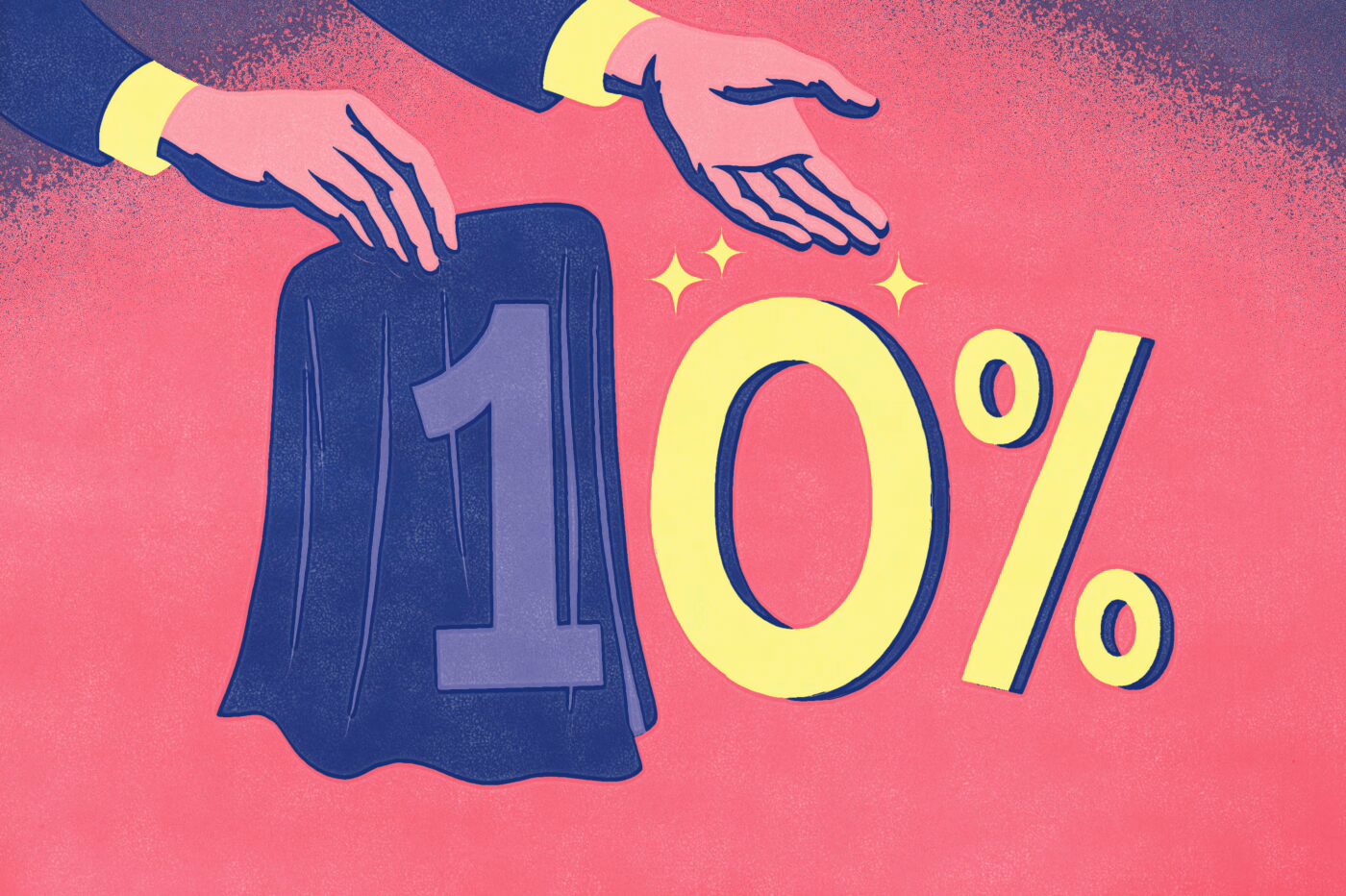
Poof! Just like that, annual expenses that can range from 3% to 18% or more would disappear from the standard disclosure of fees in the prospectus. You’ll still bear the cost, though, in your investment returns.
This is the latest of Wall Street’s never-ending efforts to hide, complicate and obfuscate fees. And it’s a reminder that many investors need to open their eyes. All too often, the financial industry lures us onto the hamster wheel of chasing high returns, where we have to run so fast we never even notice what we pay to play.
“People don’t understand how much fees will eat away at their returns,” says Christine Chung, a securities-law professor at Albany Law School. “They just don’t even know to look for that, and some fund managers don’t want them to know.”
Under the pending legislation, which essentially amounts to a single paragraph, the standardized table of fees in prospectuses would change. The fee table of a mutual fund or similar portfolio—for example, a target-date fund for 401(k) plans that invests in a basket of other funds—would no longer have to include the expenses of business-development companies, or BDCs, that it invests in.
A target-date or similar fund would, however, still need to account for the expenses of any other type of fund it holds.
Think about that. Your target-date fund might hold an index fund that charges 0.03% in annual fees, and its fee table would reflect those expenses. At the same time, if it held a BDC with annual expenses of, say, 10%, it would treat that cost as zero.
Why should BDCs get such a sweetheart disclosure deal? BDCs are funds that make loans to, and may help manage, small and midsize private businesses. Those activities generate high income, but the BDCs also generate high expenses—hundreds of times higher than, say, an exchange-traded fund that invests in bonds at a total annual cost of 0.03%.
Being regulated as funds gives BDCs special tax privileges, which they don’t want to lose. What they do want to lose is the obligation to have their fees reflected in the fee table of funds that choose to invest in BDCs—a level of disclosure they claim is an unfair impediment to growth.
Really?
Assets at BDCs have grown to $451 billion from $127 billion in 2020, according to law firm Mayer Brown, a 28% annualized growth rate.
VanEck BDC Income is an ETF that holds a basket of 30 leading BDCs. The ETF includes their costs as part of its total annual expenses, which it displays in large type on its website: 12.86%. That hasn’t stopped the ETF from growing to $1.5 billion in assets.
“In a world where we know many investors don’t read prospectuses, we need to put a lot of thought behind the data points like expense ratios that investors should care about,” says Jan van Eck, chief executive of VanEck Funds. “Important statistics like expenses should rightfully be calculated in the same way across different types of funds and investments.”
The idea of exempting funds that hold BDCs from disclosing their costs isn’t merely goofy. It’s dangerous.
If retirement funds get to omit the costs of BDCs from their own reported expenses, surely private-equity, venture-capital, hedge funds and other “alternative” vehicles will demand the same abracadabra treatment.
The next thing you know, these high-fee investments will start showing up in retirement funds at a reported cost of zero.
As magicians know, it’s easier to pull off a disappearing act when people don’t pay attention to the right things.
A 2012 study for the Securities and Exchange Commission found that when investors were given a special document fully disclosing fees, 28% of them couldn’t recall ever seeing it.
Despite overwhelming evidence to the contrary, many individual investors still want to believe higher fees are associated with higher returns.
Professionals may be just as prone to fee blindness.
In survey after survey, fewer than one-third of financial advisers cite high fees and expenses as their chief obstacle to investing in alternative funds. Instead, they’re worried about complexity and “high levels of administration and paperwork.”
But costs matter, even if the financial industry wants you to think of (say) a 1% fee as being only 1% of the money you invest.
That’s bogus.
Let’s assume a portfolio of stocks returns an average of 8% annually. Invest $10,000, and you’ll have more than $100,000 after 30 years. Incur 1% in annual fees, though, and you’ll end up with barely $76,000—one-quarter less.
No wonder it’s called “a 1% annual fee.” That sounds a lot better than “a quarter of your wealth.”
Fee blindness is a plague that never goes away. Over the years, I’ve written about mutual funds that charged 4% or more to reinvest dividends for their investors; financial advisers who could collect “service” fees from clients after the advisers were dead; hedge funds levying at least 7% in annual expenses; and on and on.
It took decades for index funds, ETFs and discount brokerage firms to drive the costs of investing down almost to zero—because lots of investors simply didn’t know or care about the fees they paid.
The first question on most investors’ minds is usually: How much can I make on this? Instead, their first question should always be: How much will this cost me?
Until we all pay attention to what matters, the fee hocus-pocus will never stop.